Vremensko razdoblje: Medieval
-

Canoe Safari Teambuilding
Active Active Tourism offer: Swimming, kayaking, canoe safari, cycling, horseback riding.
-

Nature park Hutovo Blato
Active Active Tourism offer: Photo safari, birdwatching, fishing, camping, cycling, educational trails.
-

Konjički klub VRANAC – Čapljina
Active Active Tourism offer: Horse riding, Therapeutic riding, Recreational riding, carriage ride.
-

Old town Drijeva
The old town of Drijevo is located in the navigable part of the lower Neretva, along an important road that connects the coast with the hilly continental hinterland. The area of today’s Gabela in the late Middle Ages, due to its position, has significant trade capacities. In historical sources it appears under the name Drijeva,…
-

Old town Počitelj
According to assumptions, the old town of Počitelj was built by the Bosnian king Stjepan Tvrtko I at the end of the 14th century. The town was morphologically adapted to the terrain on a rocky cliff above the bank of the river Neretva. In written sources, it is first mentioned in 1444, in the charters…
-

Mogorjelo roman complex
Mogorjelo is one of the largest ancient complexes in Bosnia and Herzegovina. Life begins in the middle of the 1st century. when the complex of a large private agricultural estate (villa rustica) was built. A building for processing agricultural products (villa rustica fructuaria) was built on a prominent part of the hill exposed to winds,…
-

Klepci bridge
The stone bridge in Klepci bridges the river Bregava near the mouth, and was built by the Herzegovinian Sandžak-beg, Mustafa-beg, in 1517. 150 years later, during the mandate of the Ottoman legator and builder Šišman Ibrahim Paša, the bridge will undergo certain modifications that are relevant to this day. In the wider area, older roads…
-

-

-

-

-

-
-

-

-

-

-

-

-

-
-
-

-

Eko Centar Blagaj; UG Novi val
Active Active Tourism offer: Via Ferrata, rock climbing, sport climbing, hiking, camping, outdoor school.
-

-
-
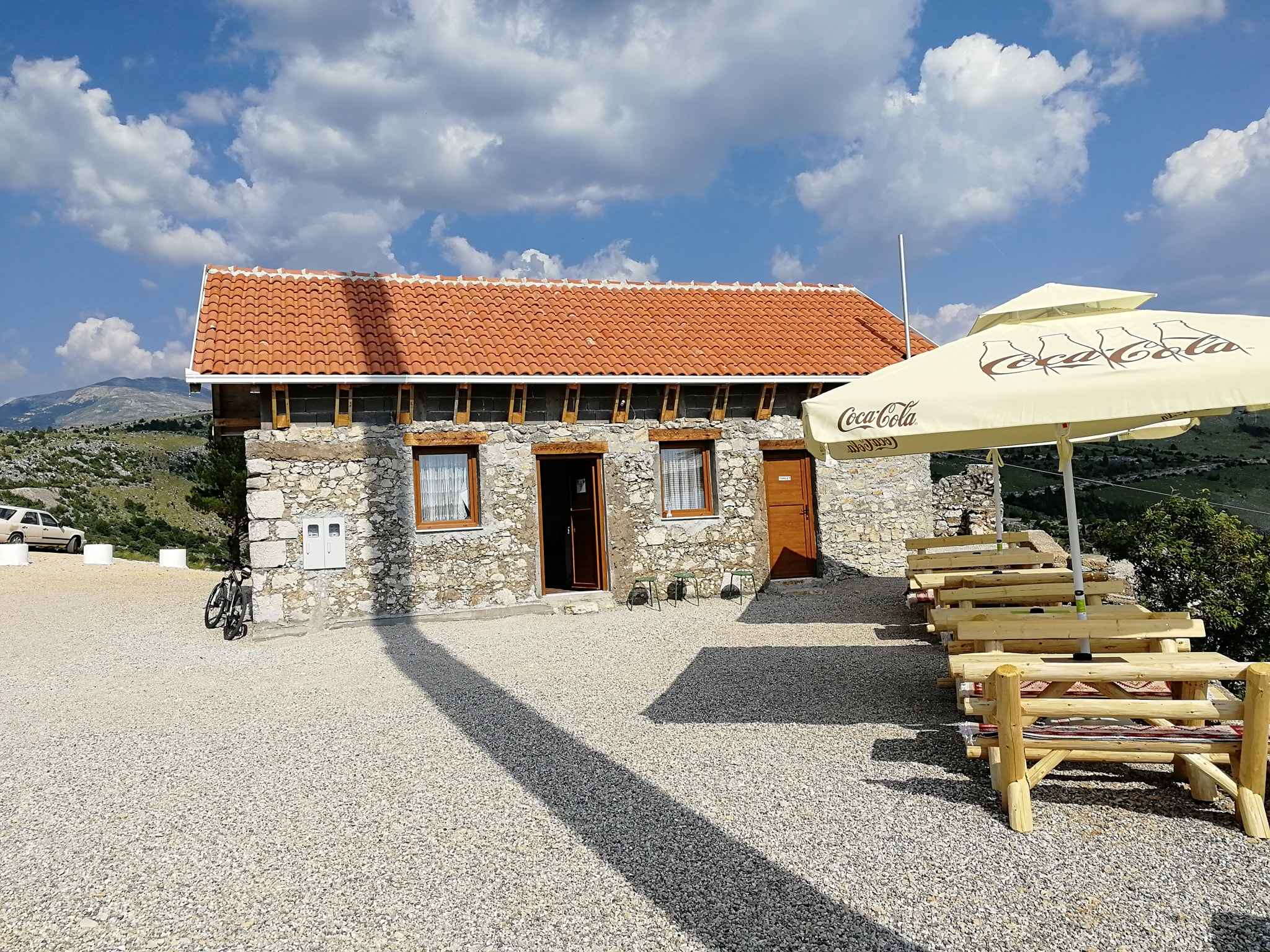
Sports-adventure park Fortica
Active Active Tourism offer: Zipline, climbing, Abseil (Rappel), Via Ferrata, hiking, MTB, Mountain safari, Mountain lodge .
-
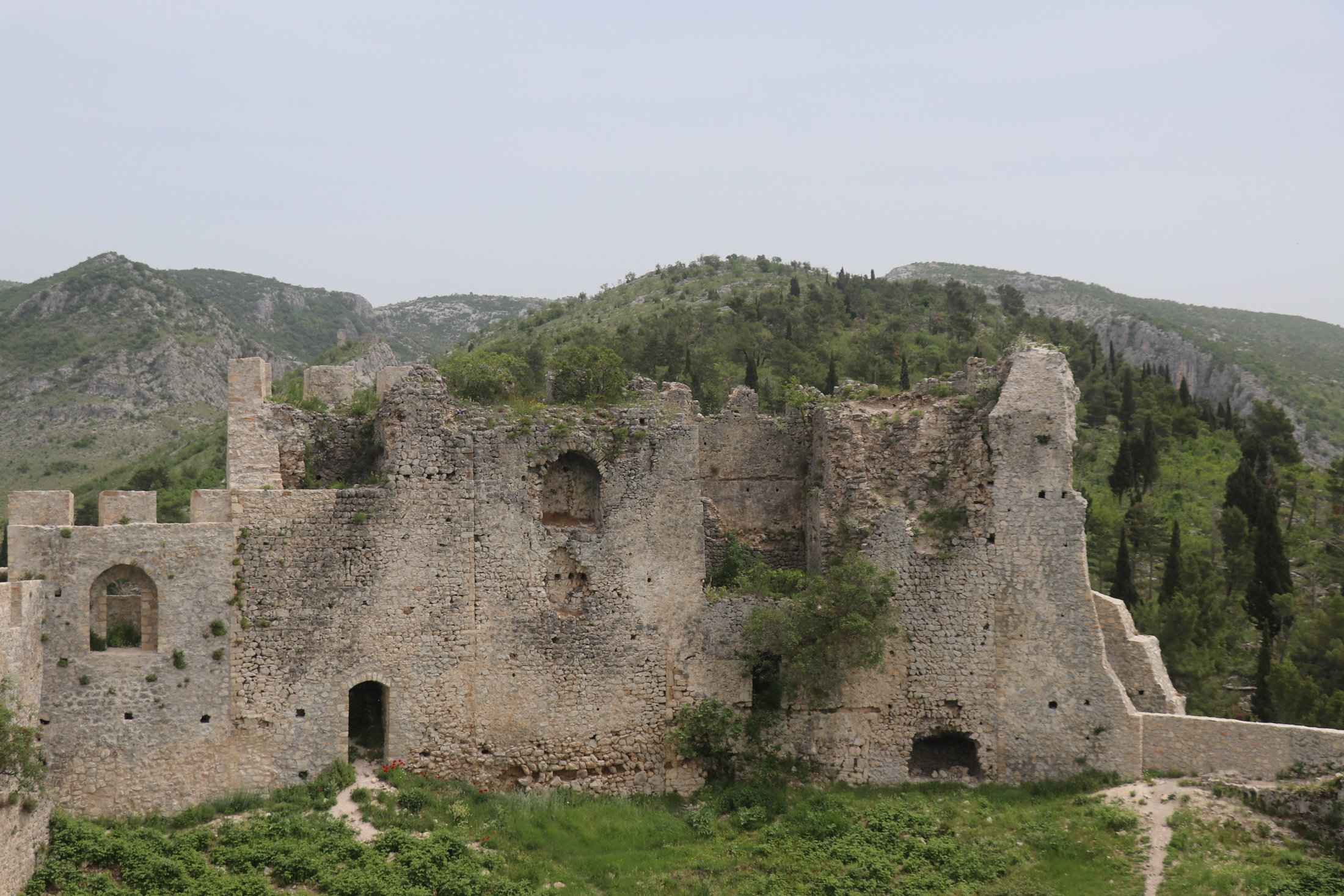
Stjepan-grad
The old town of Blagaj or Stjepan-grad was built on the most prominent place of a high and difficult to access karst hill, at 310 m above sea level and above the source of the river Buna from which it is 266 m. Blagaj fortress is situated on naturally flat terrain, , west and north…
-
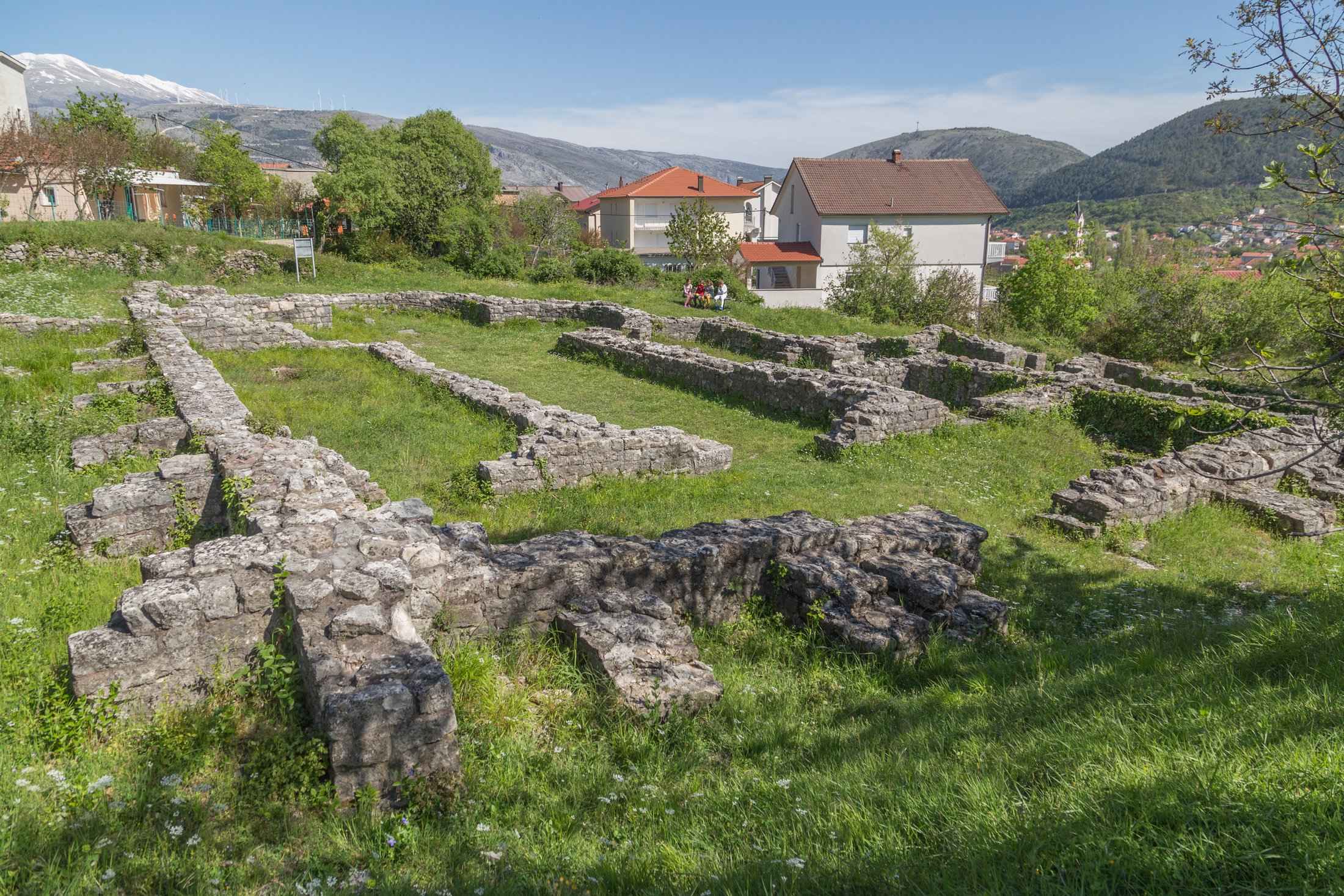
Earlychristianity basilica „Cim“
The early Christian basilica in Cim belongs to the type of Bosnian-Herzegovinian basilicas of a more complex type. It has one central nave (nave) and ends with three semicircular apses on the east side. South of the church, a memorial was made – a tomb of much smaller dimensions but with a similar floor plan.…
-

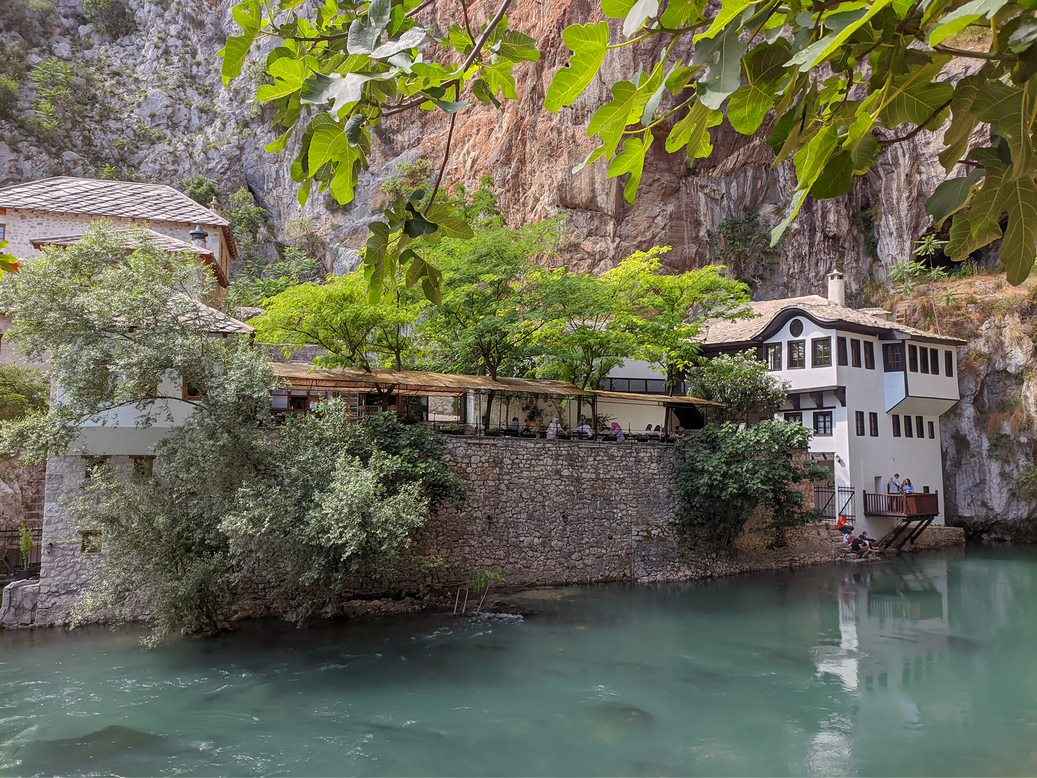
River „Buna“ Spring
East of Mostar is the spring of the Buna River, and it is the largest karst spring in Europe with an average annual flow of 43 m³ per second. The spring is located below a 200m high stone cliff, and the Dervish Tekija was built nearby, which was mentioned in 1664 by the travel writer…
-

-

-

-
-
-

-

-
-

-
-
-

-
-

-

-

-

-
-
-

-

-

-
-

-

-

-

-

-

-

-

-
-
-

-

-

-
-
-
-

-
-
-

-

-
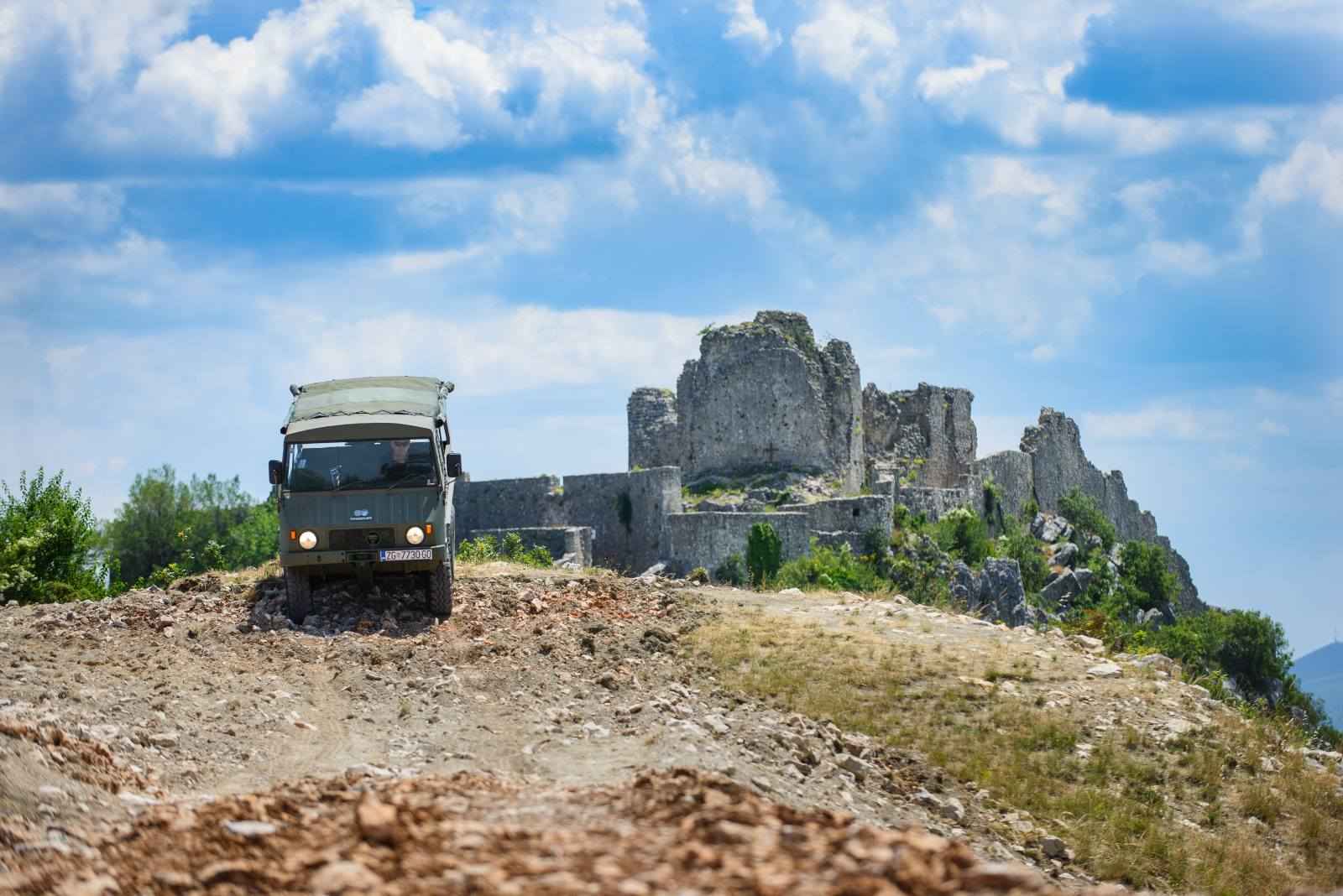
Herzegovina GO
Active Active Tourism offer: Off road safari,Boat ride, camping, cycling, kayaking, fishing.
-

Fortress of herceg Stjepan Kosača
The late medieval fortification of the feudal ruler of herceg Stjepan Kosaca is the most monumental archeological site of the Ljubuški Municipality, located on the prominent top of the karst chain of Buturovica hill (396 m above sea level) and as such is a symbol of the town of Ljubuški and Herzegovina. The fort complex…
-
Roman military camp Gračine
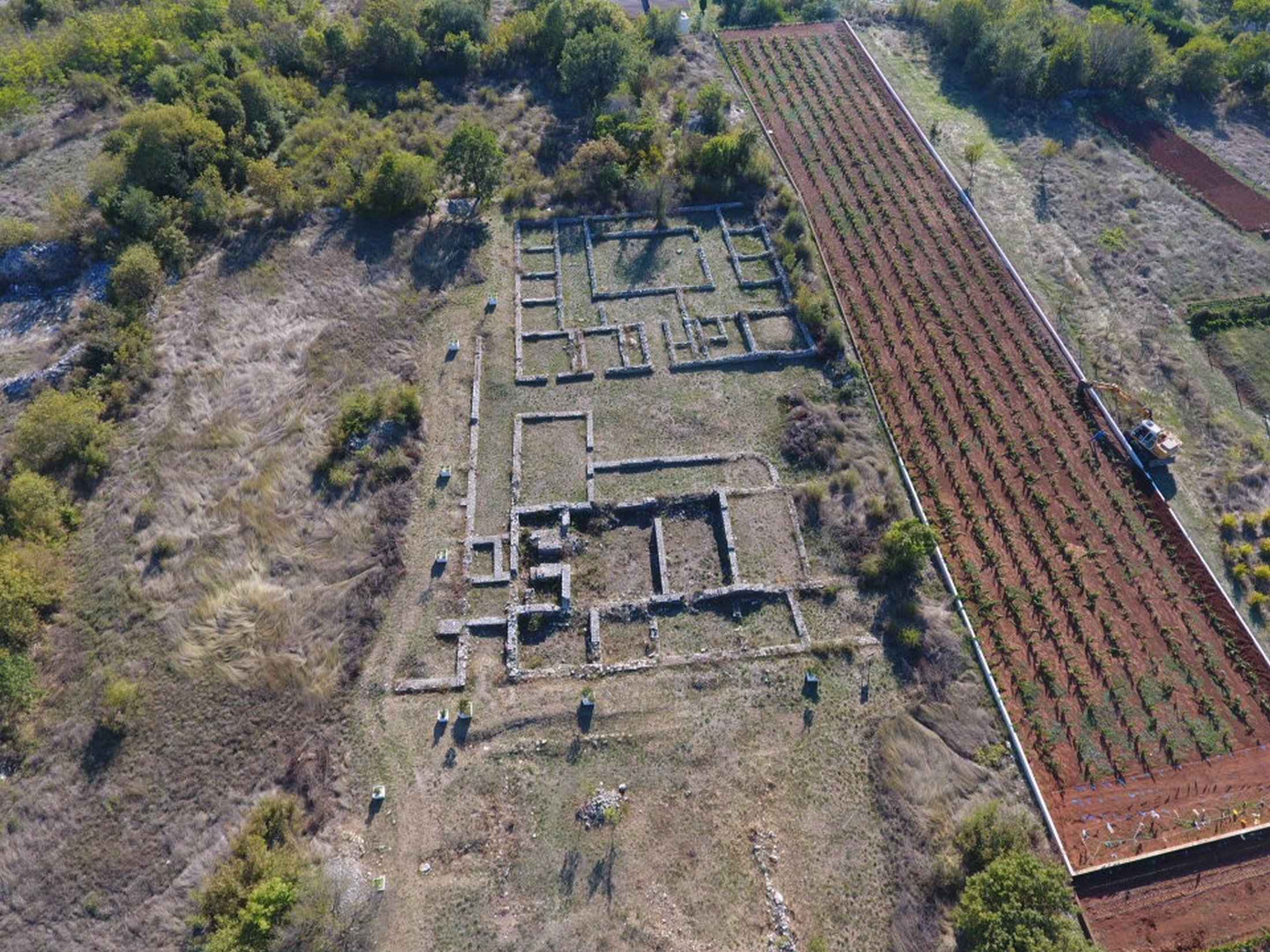
When in AD 9 they broke the resistance of the militant Illyrians, Delmatians and Pannonians, the Romans began to build roads, bridges and forts. One of the small military camps, which could accommodate a cohort of four hundred soldiers and a hundred horsemen, was situated in the area of Ljubuški. It is assumed that the…
-
Earlychristianity basilica Doci
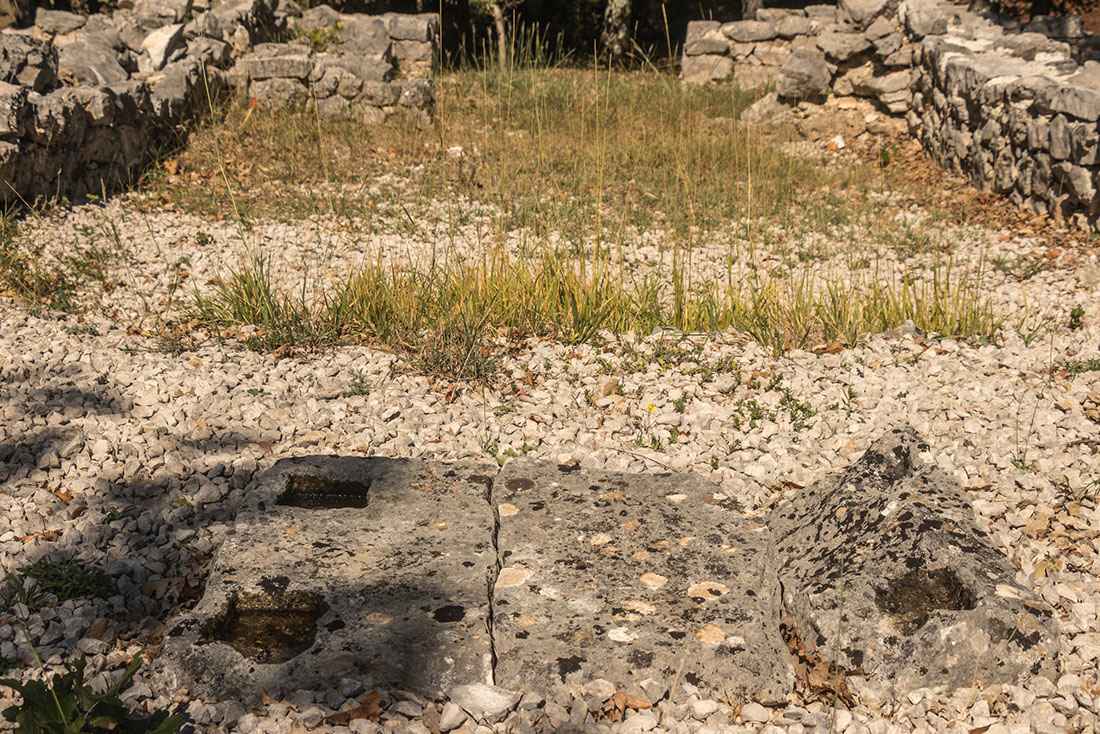
At the Doci site in Gornja Vitina in 1956, D. Sergejevski excavated the remains of an early Christian church 13.10 x 11.37 m, oriented east-west. The church consisted of a nave with an apse and side rooms on the south and north sides. A double vaulted tomb was discovered in the southern part, and the…
-
Roman site Mlade
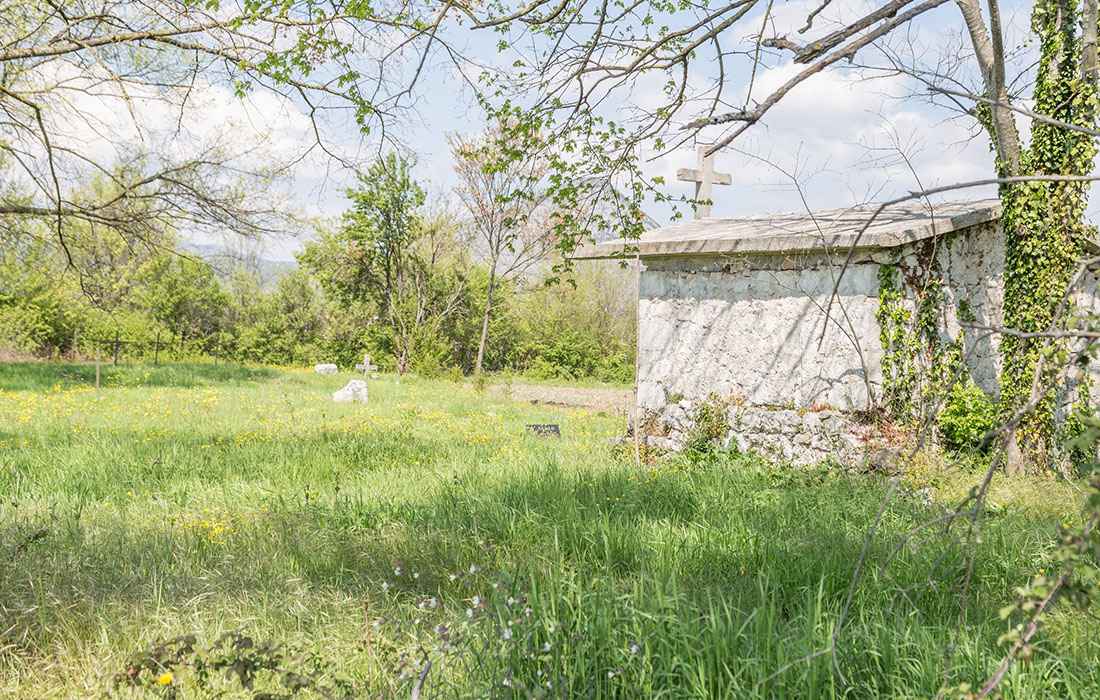
Near the bridge on the river Mlada, on a secluded hill west of Vitina, in the old cemetery Na Mladima, at the end of the 19th century, building remains from Roman times were noticed. The land around the cemetery towards Vitina is sprinkled with the remains of tiles and ceramics. Older researchers placed the remains…
-
Roman site Dračevica
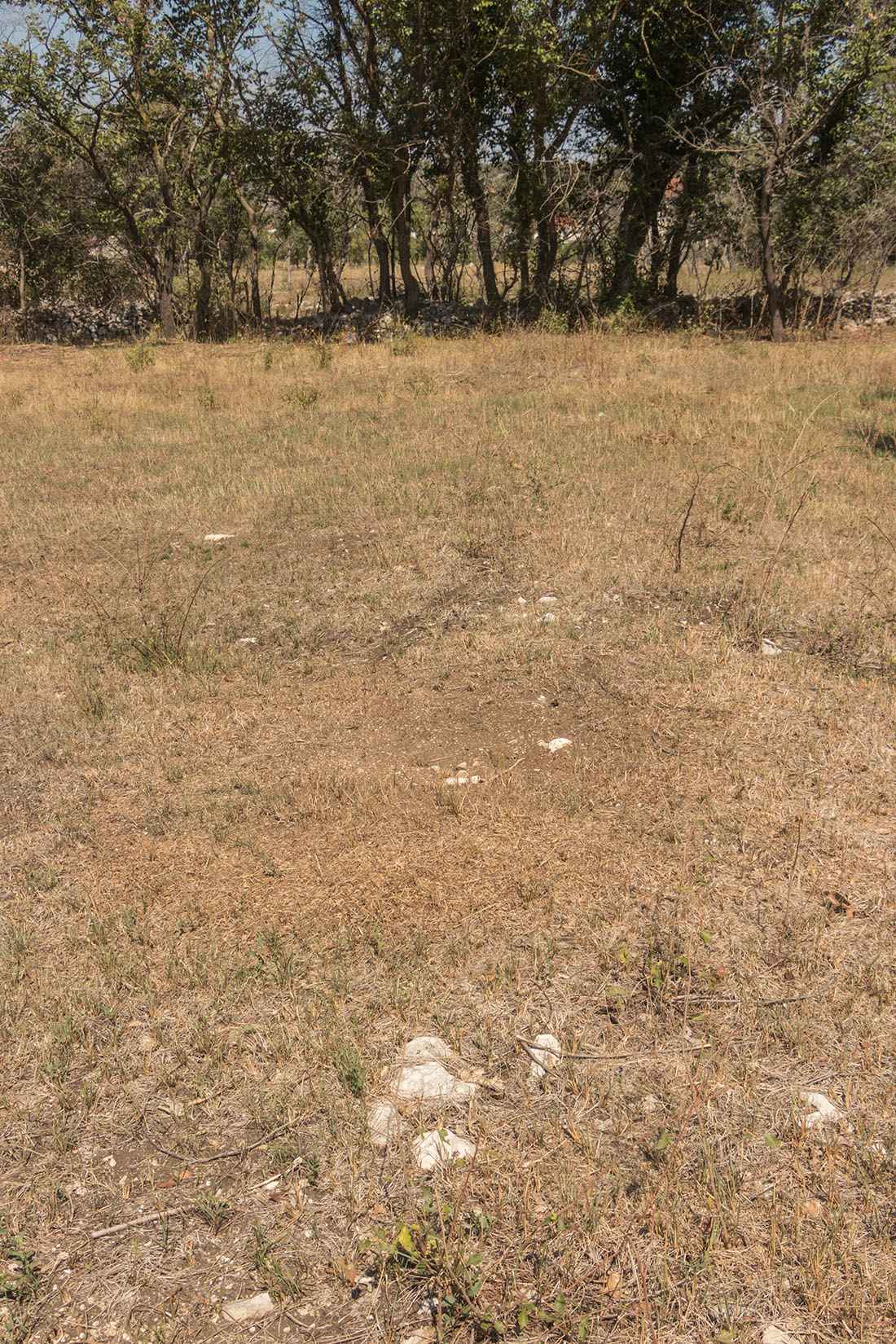
South of the main road Vitina – Ljubuški lies the locality Dračevica, with several privately owned plots. In 1894, Franjo Fiala discovered the remains of a Roman building complex (63 x 47m) on an area of four hectares. An abundance of fragments of pottery, bricks and tiles, agricultural tools, jewelery and coins, mostly emperors from…
-
Helenistic necropolis Mrljanovac
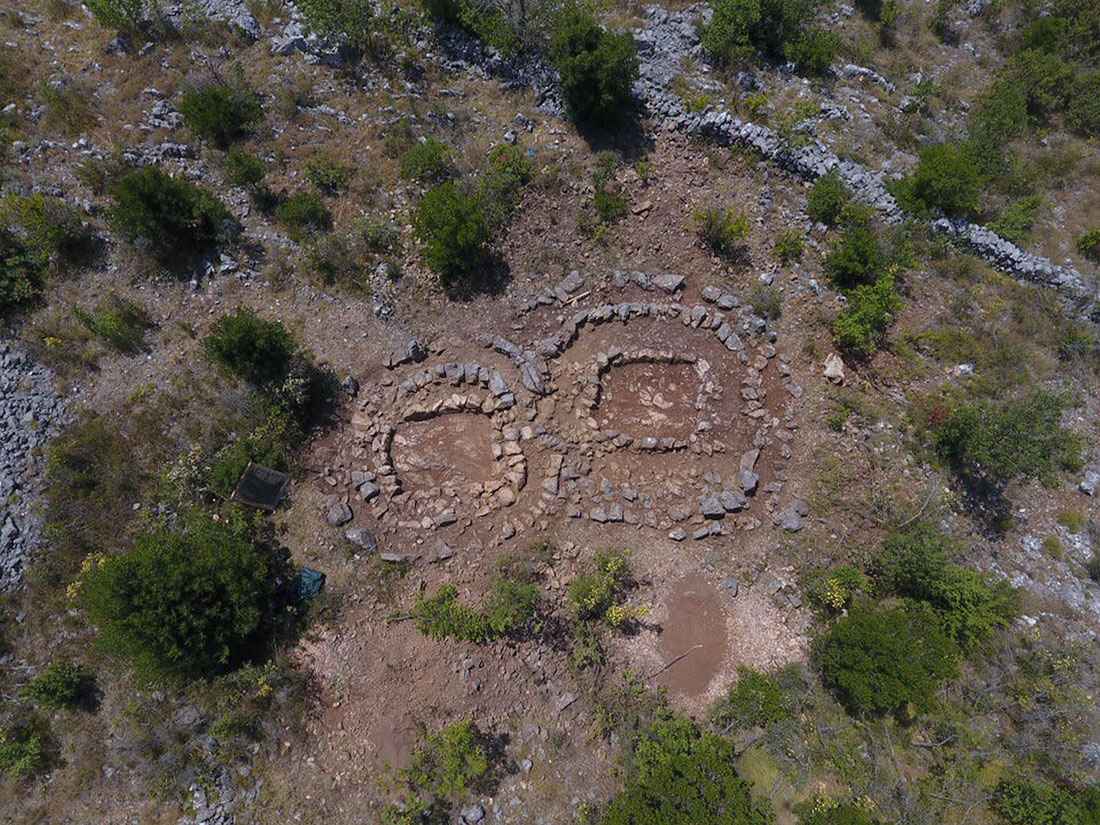
In the area of Gornji Radišići (hamlet Marići) near Ljubuški, there is the locality Mrljanovac, where the remains of graves from the developed Iron and Hellenistic periods (5th-1st century BC) were discovered. Through the Mrljanovac gorge, the fortifications of Sitomir (394 m above sea level) and Obala (369 m above sea level) were approached, which…
-

Stećak necropolis Dilić
Bilizi, kamici, stećak tombstones or marbles are medieval stone tombstones that appear in the 13th century, with the peak of use and development in the 14th and 15th centuries. According to previous research, about seventy thousand biligs are known, of which in Herzegovina and Bosnia 86 percent, and the rest in Croatia, Montenegro and Serbia.…
-

Archaeological museum Humac
Franciscan monastery Humac–Ljubuški is home to the archaeological collection popularly known as Humac Museum. It was founded in 1884, four years before the National Museum in Sarajevo. The collection contains a large number of exhibits from Herzegovina, from the Neolithic period to the Middle Ages, in a variety of materials: stone, bronze, copper, iron, silver,…
-
Monastery library
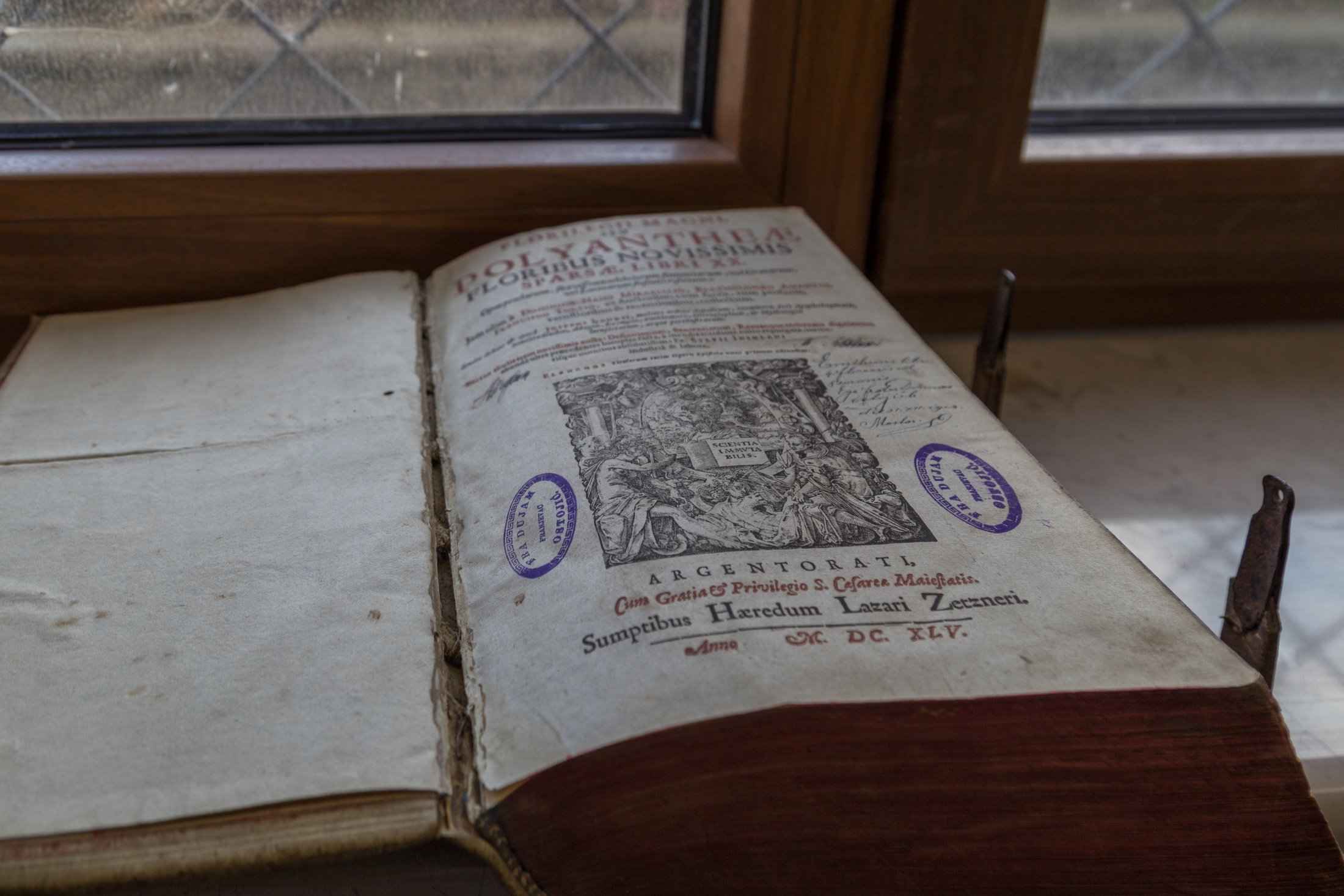
With the beginning of the construction of the Humac monastery, the Ljubuški and Herzegovinian Franciscans founded the monastery library in 1867. When the monastery was built, the books were in different rooms. In 1968, a special room was arranged in the western wing of the monastery, where all books with manuscripts and archival documents were…
-
River Trebižat
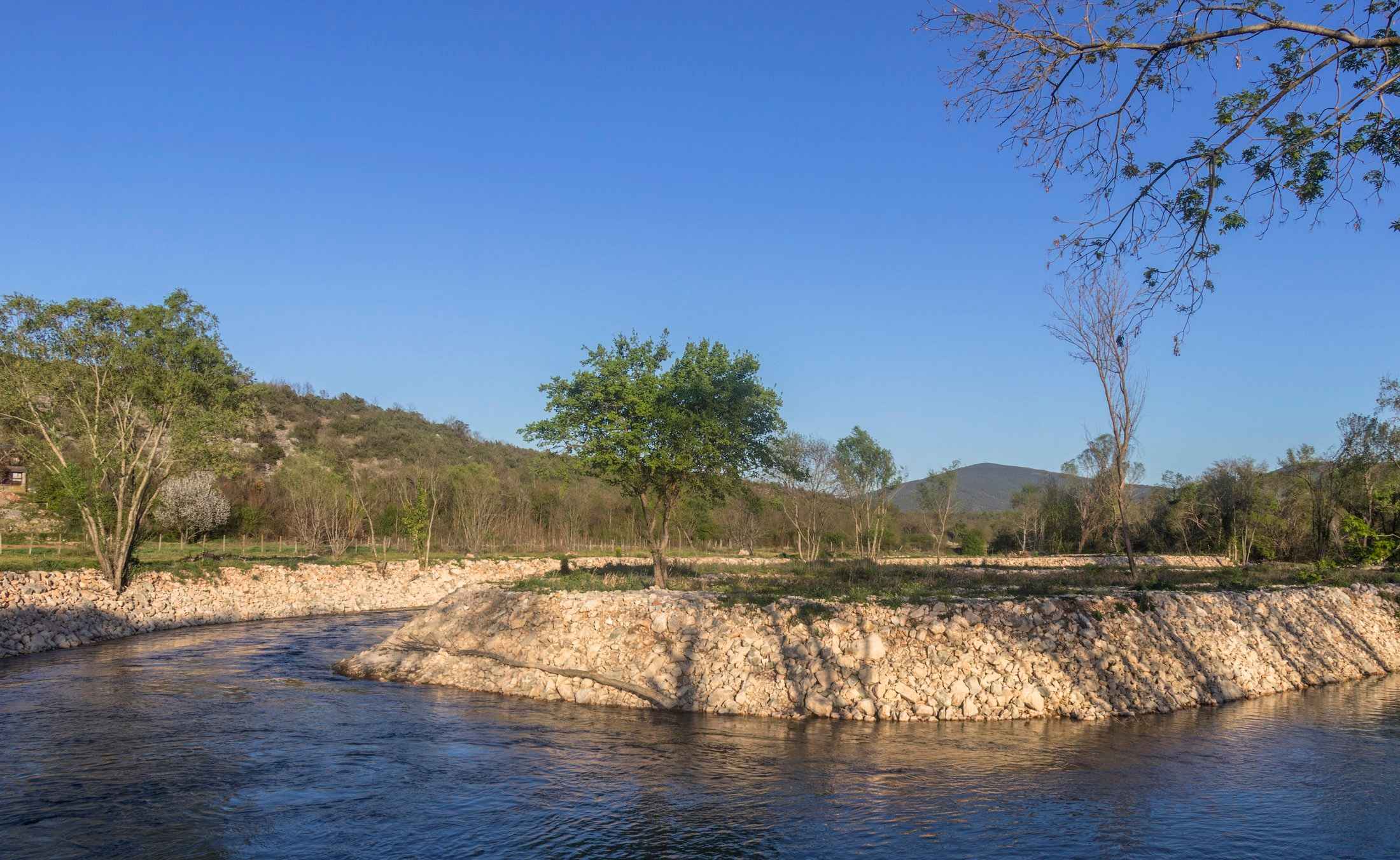
The river Trebižat is a right tributary of the river Neretva. The course of the river is located in a very karst area, which causes water to sink along the riverbed. At its entrance to the territory of the municipality of Ljubuški, the river has the name Tihaljina. It receives the largest spring of constant…
-
Waterfall Kravica
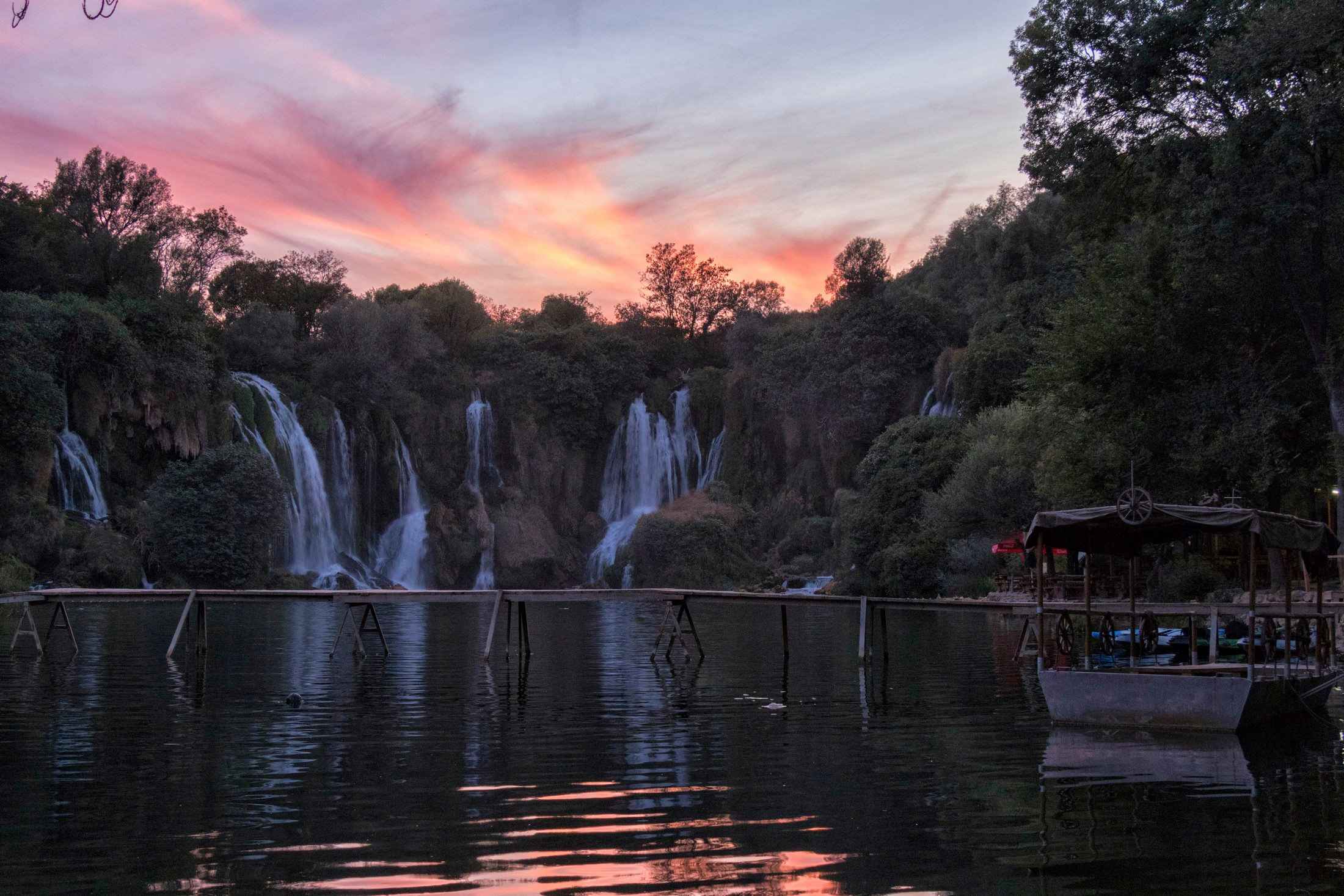
River Trebižat created a 26—28 m high waterfall. The water amphitheater has a diameter of 120 m, and it has been under protection as a natural rarity since 1954. Limestone layer is covered with grass, moss and lichen, and along the waterfall there are poplar trees, chaste trees and figs. The water has created natural…
-
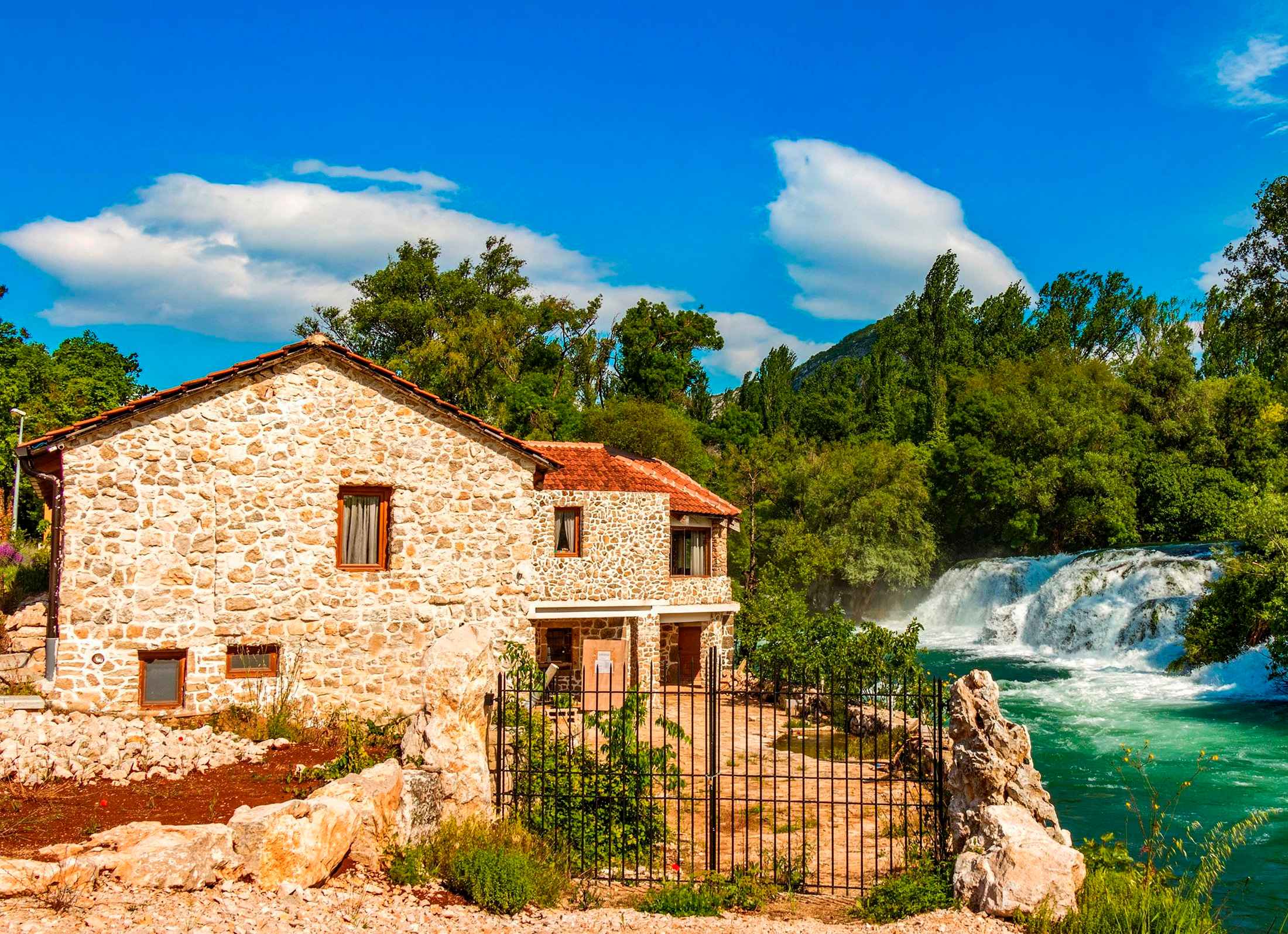
Waterfall Koćuša
Koćuša Waterfall is located in the village of Veljaci in the municipality of Ljubuški, on the river Mlada, which changes its name to Trebižat downstream. The natural wealth of this area consists of sedimentary rocks, the so-called travertine that has been deposited for years, makes this waterfall even more attractive. The height of the waterfall…
-
-
-

-
-
-
-
-

-
-

-

-

-

-
-
-
-
-

-
-

-

-

-

-
-
-

-

-

-

-

-

-
-

HPD Čvrsnica
Active Active Tourism offer: hiking trails, mini ferrata, rock climbing, speleoobjects, canyoning, zip line
-

-
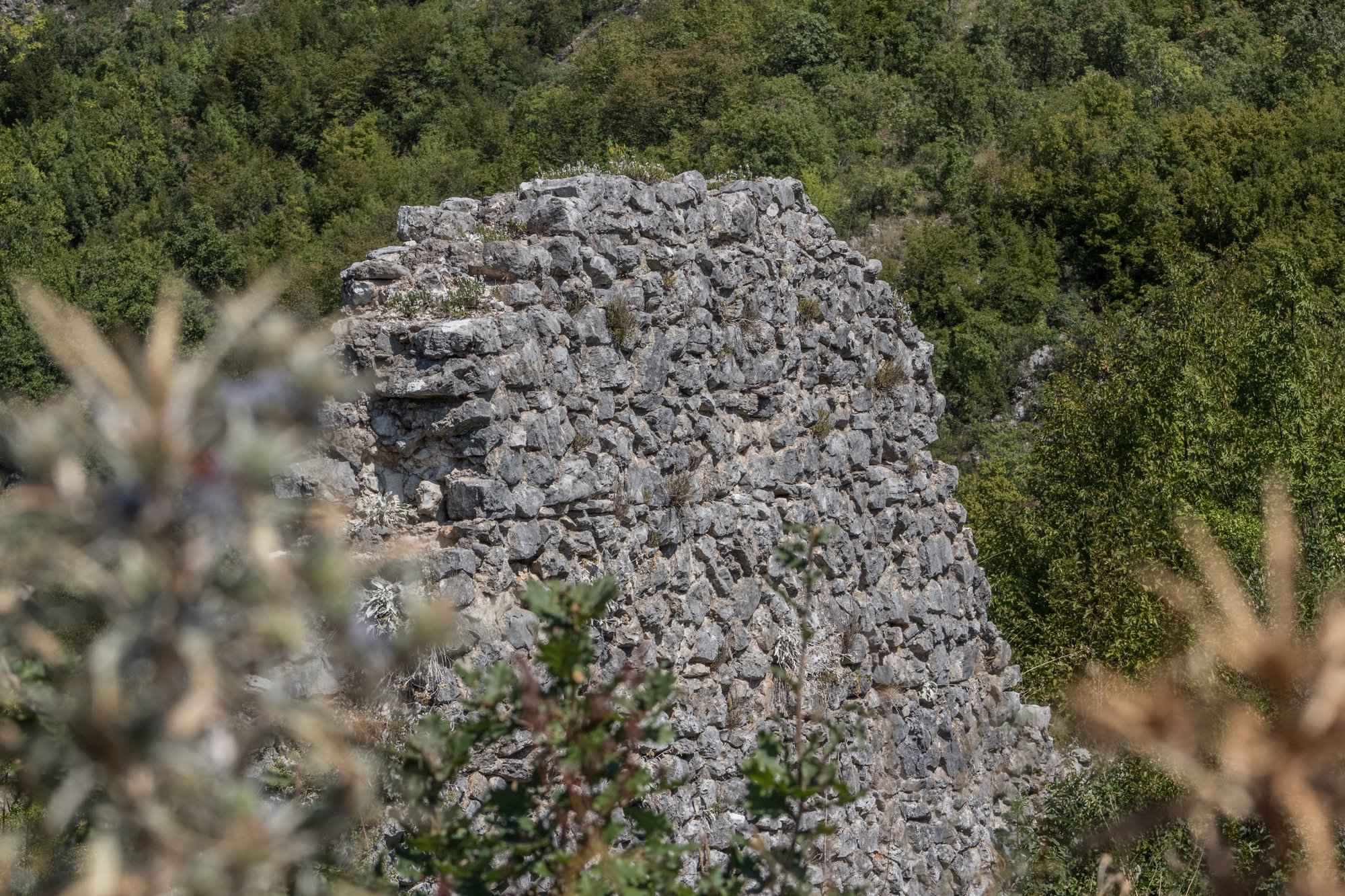
Fortress Kruševac
The medieval fortress is located on a hill above the river Lištica. It was first mentioned by franciscan Peter Bakula in the schematism of the Franciscan Province of Herzegovina as early as 1867. Other historians, such as franciscans Dominik Mandić, Rudolf Bonić, and Bonicije Rupčić, who soon reach a common conclusion about the historical name…
-

Kočerin tablet
The Kočerin tablet is a tombstone of Viganj Milošević found in Kočerin fields at the end of the 19th century. For a long time, the monument was built into the building of the parish apartment in Kočerin. During the scientific conference “Viganj and its time”, the inscription was taken out of the wall and stored…
-
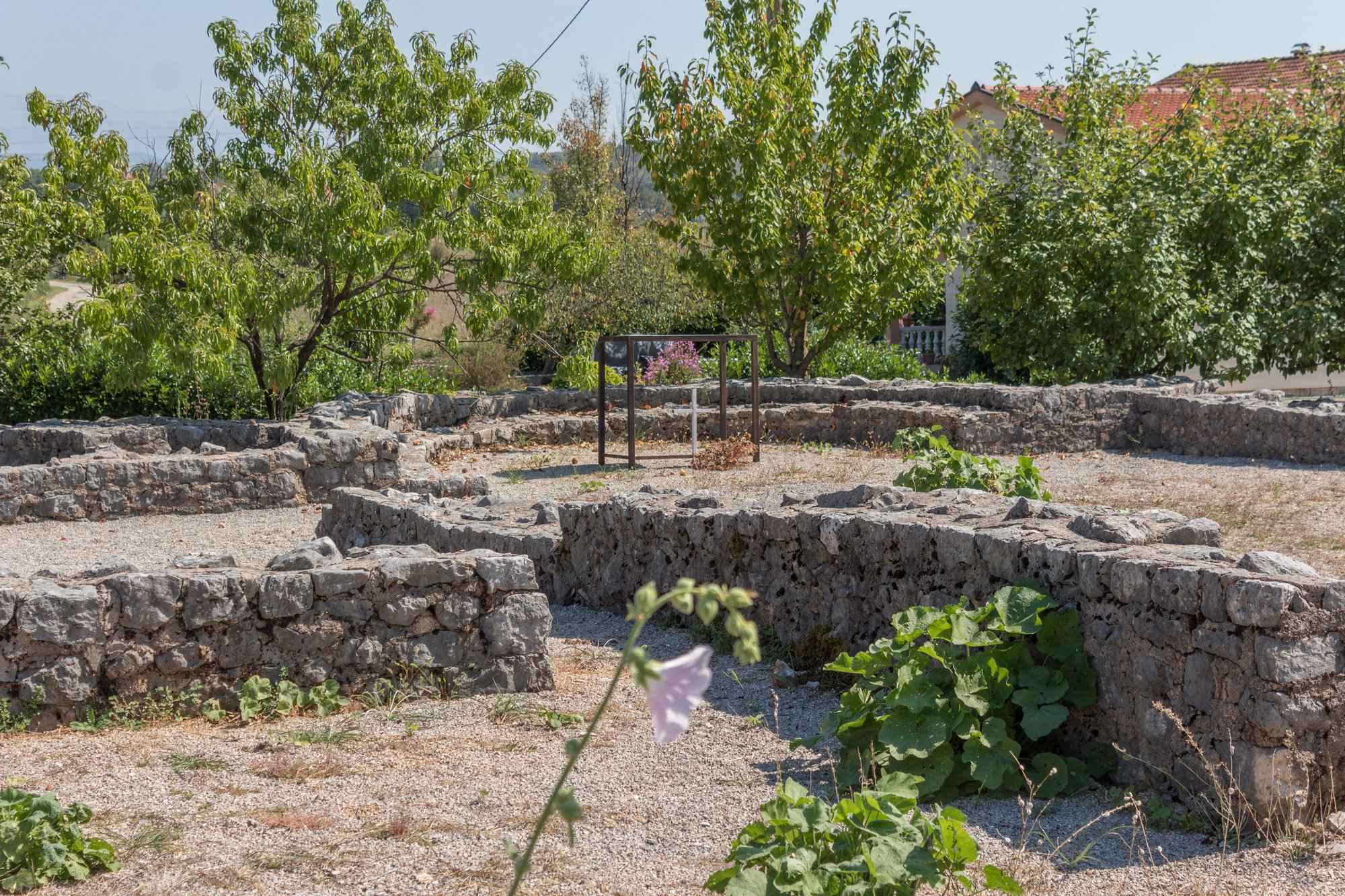
Earlychristianity basilica Mokro
The early Christian basilica in Mokro belongs to the Bosnian-Herzegovinian type with a complex floor plan, in the center of which is a nave inside which gathers a regiment, a narthex – a covered entrance in the west, and in the east a semicircular apse inside which is a presbytery. The side rooms were used…
-
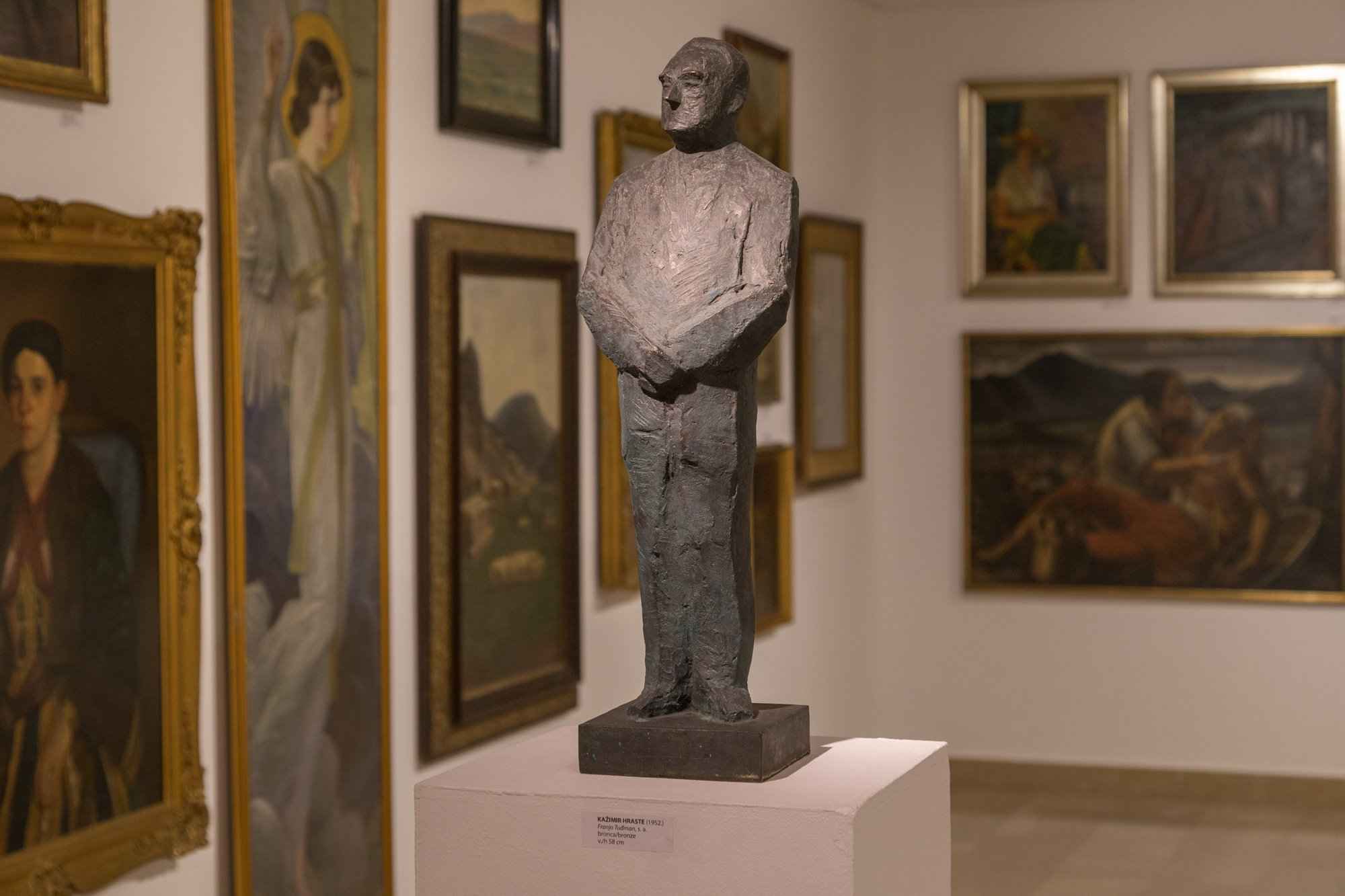
Franciscan gallery Široki Brijeg
After the construction of the church and the monastery, the first works of art arrived in Široki Brijeg during the 19th century. Although the works are mostly religious in theme and by unknown authors, they will turn out to be the basis for cultural revitalization after the numerous troubles brought by the world wars. Basics…
-
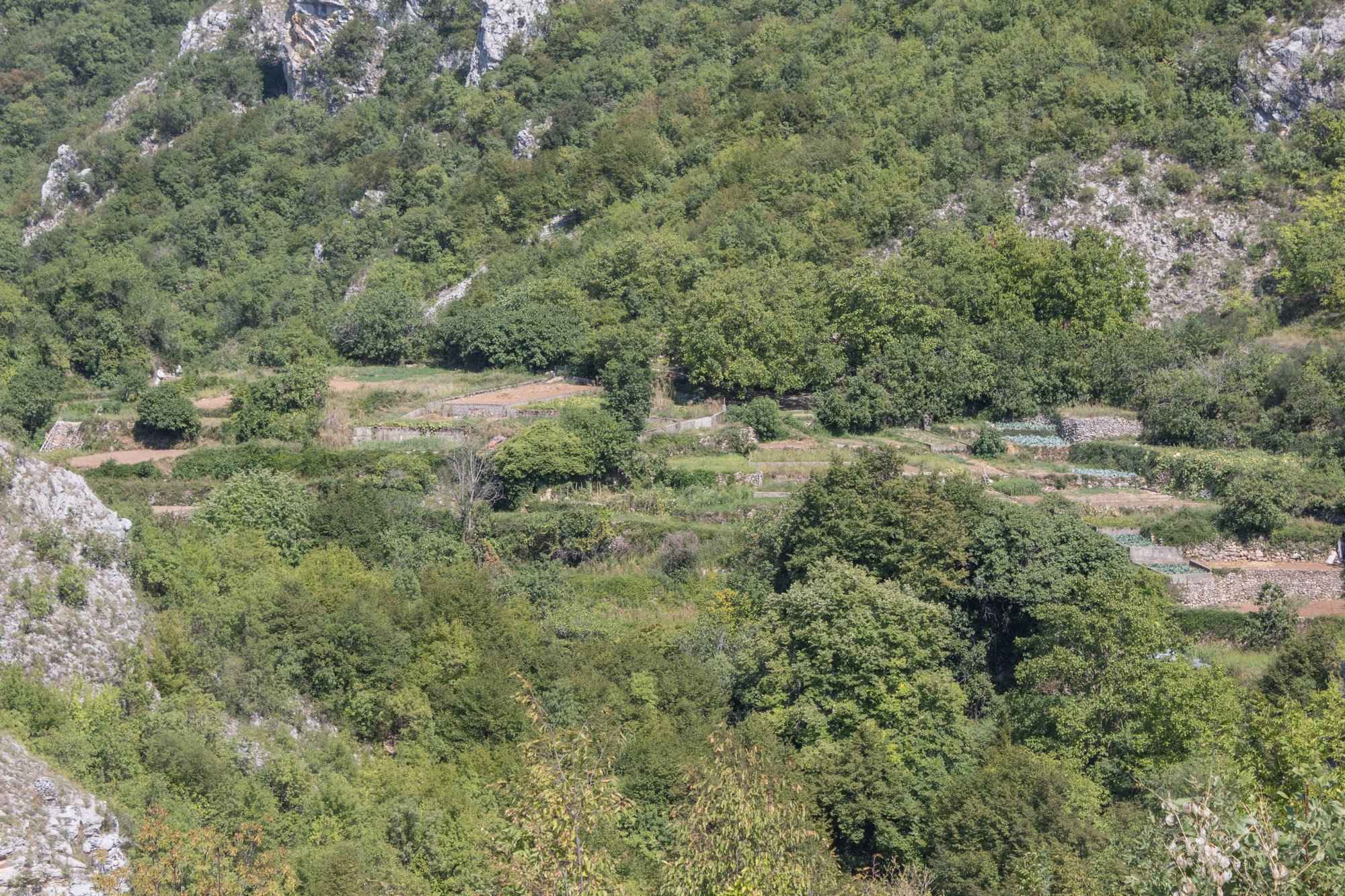
Canyon of river Lištica „Borak“
The river Lištica passes through a canyon, ie a narrow strait bordered by rocks and gorges, and is fed by several springs, the most famous of which is the spring “Borak”. Upstream streams buy all surface water during heavy rainfall and melting snow from the mountain Čabulja, and finally flow into the river Neretva. Low…
-
-
-

-

-

-
-

-
-
-
-

Old town Vidoški
The medieval town Vidoški, founded in the 5th and 6th century, during the times of a Byzantine emperor Constantine. Constantine built a fortress in Stolac which protected his trade caravans headed from the west to the east, former Byzanthium, today Istanbul. After the emperor Constantine, the town was neglected until the Slavs came in the…
-

„Stećak“ necropolis Radimlja
Stećak Necropolis Radimlja is the most valuable and most famous monument of medieval period of Bosnia and Herzegovina (14th and 15th century). Its valuable characteristics are: number of stećaks, diversity, presence of all basic shapes, relatively high artistic quality of creation, rich decorations and engravings with the names of historical figures and its accessibility and…
-

„Stećak“ necropolis Boljuni
The necropolis is located in a village of Boljuni, 12 kilometers southwest of Stolac. It has 273 stećaks in total. It is a third by size and first by the number of decorated stećaks in Bosnia and Herzegovina. A total of 105 of them are decorated. Most of them originate from 15th and 16th century.…
-
Helenistic fort Daorson
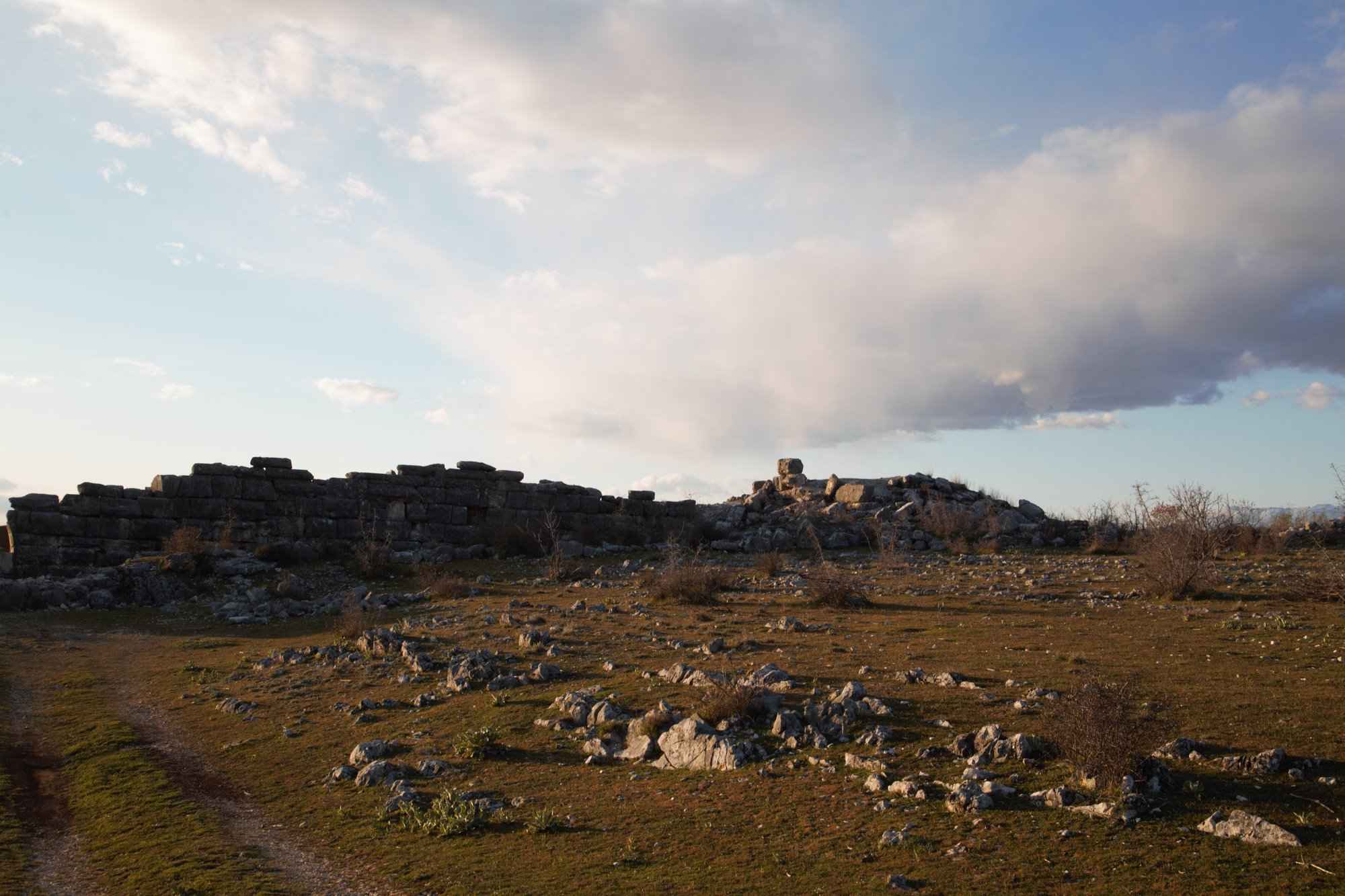
Somewhere is Herzegovinian karst, Daorson is a living proof for existence of Stolac and its surroundings. A Hellenized Illyrian tribe of Daorsi who lived around 300 till 50 B.C.E. in a valley of river Neretva, built their capital city in Stolac, called Daorson. All administrative, public and religious facilities where located there. They took over…
-

Cave Badanj
Stolac records signs of life starting from the epipaleolithic period (14 000-12 000 B.C.E.). Somewhere in the waterbed of a blue river of Bregava, in a cavelets, in a rock, 45 meters above the river flow, a caveman found his hideout, in a cave Badanj. Those first residents left a trace, an engraving, a figurine…
-
Tombstone of Moshe Daonon
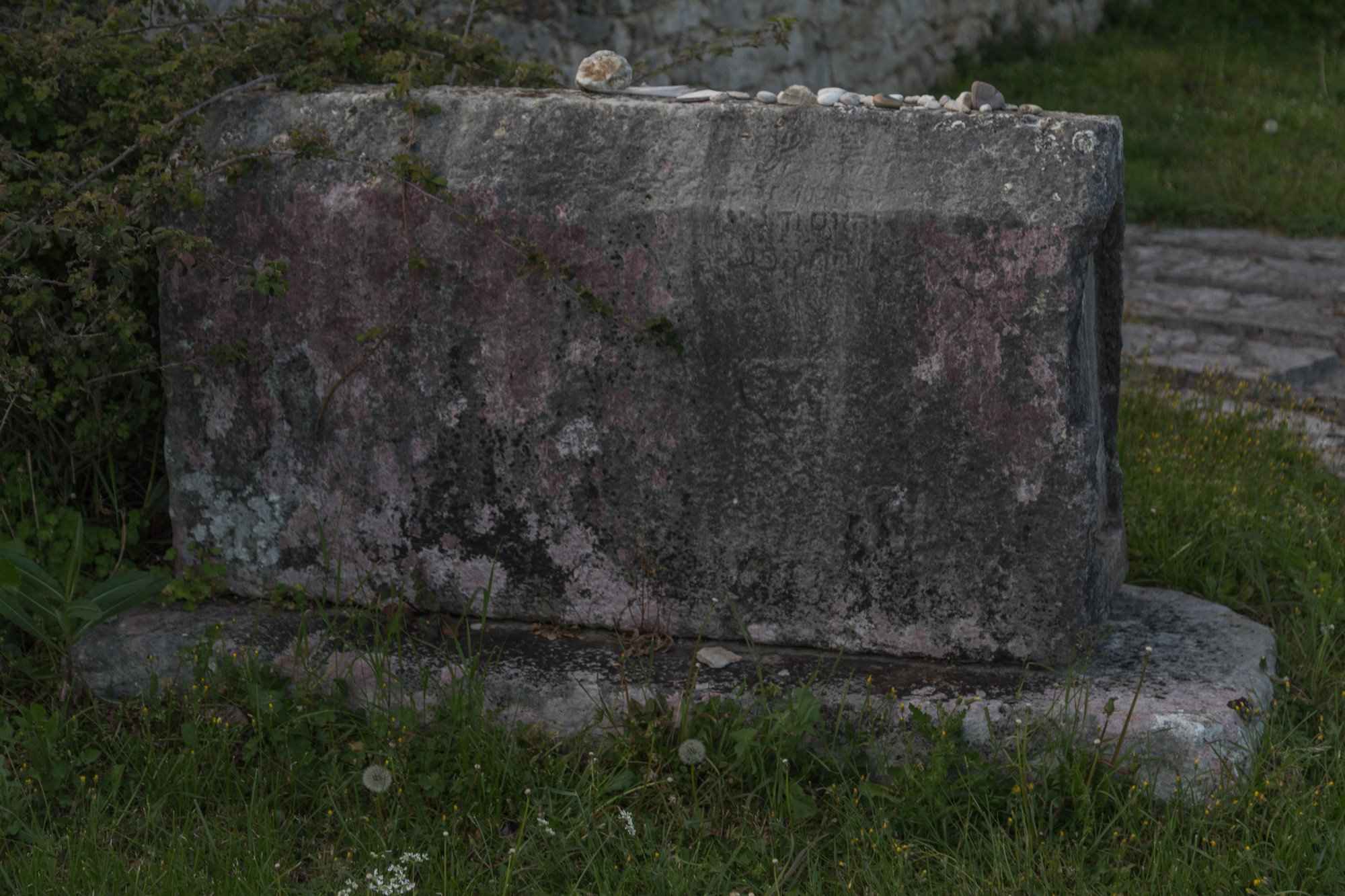
One unusual event assures Stolac a second most important pilgrimage site for Jews from all over the world. Indeed, a Rabbi Mosha Danon left Sarajevo in 1830 to Palestine to fulfill his vows; however death got him while passing through Stolac. He was buried on the exact place where he died, and a headstone above…
-
Hutovo blato
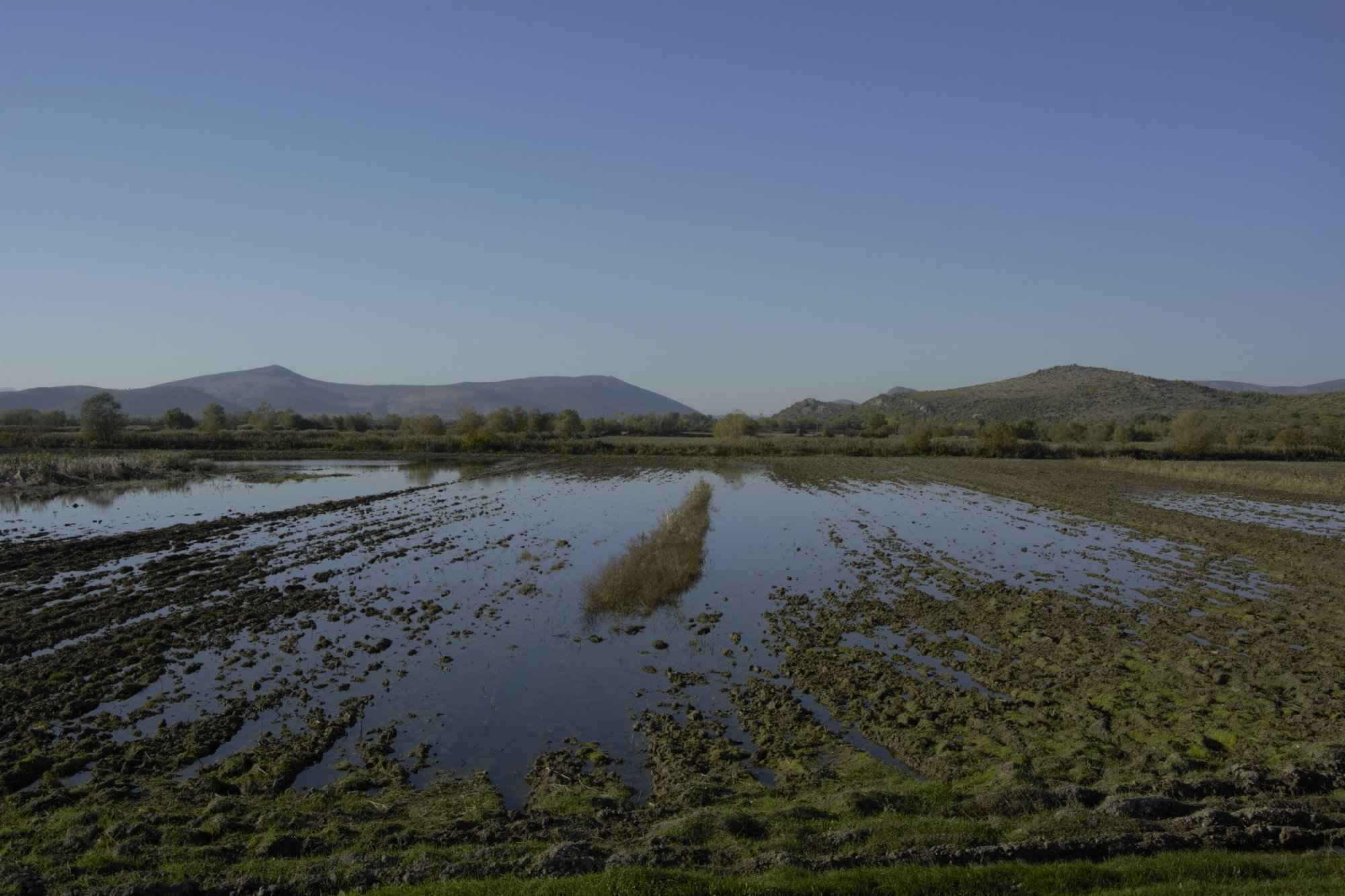
Nature Park “Hutovo blato” is founded in 1995. It is located in southeast Herzegovina, on the left side of river Neretva on the territory of municipality of Čapljina and Stolac. It occupies area of 7411 ha. It is considered to be one of the largest bird winter resort for in Europe. International Council for Protection…
-

River Bregava
Bregava (old name Vidoštica or Vidov’s river) is a left confluent of river Neretva in Bosnia and Herzegovina. Passing through Stolac, it creates falls and waterfalls, flows on different levels creating river islands. Indented coast enables access to water in multiple places, offering the inhabitants a special connection to the river. River islands serve for…
-

-
-
-

-

-

-

-

-

-

-

-
Tivat
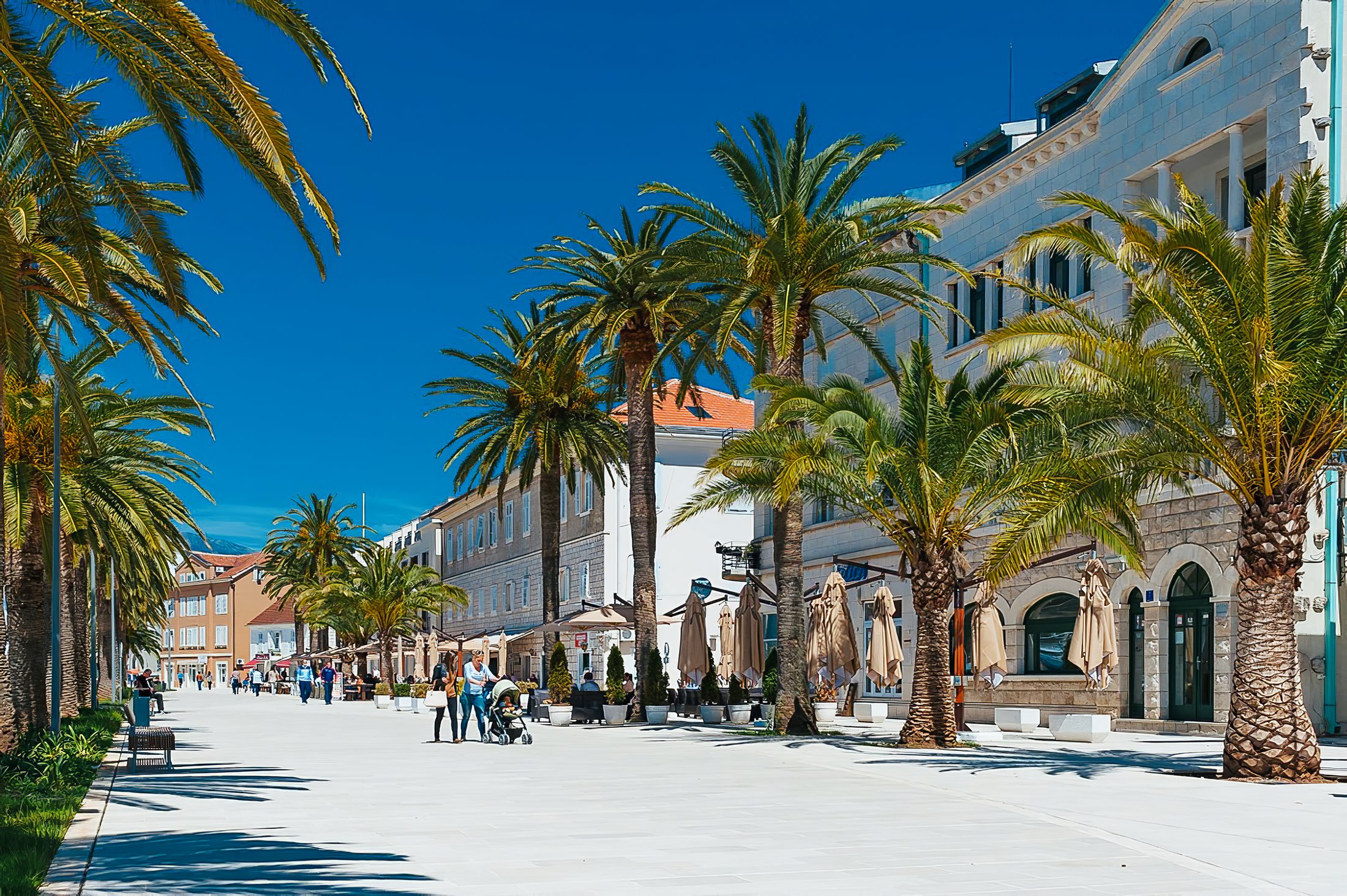
Take a walk along the promenade of the sunniest city of the Bay of Kotor, enjoy its beaches and the view towards the Island of Flowers, Island of St. Mark and Our Lady of Mercy and, if you have time, visit them.
-
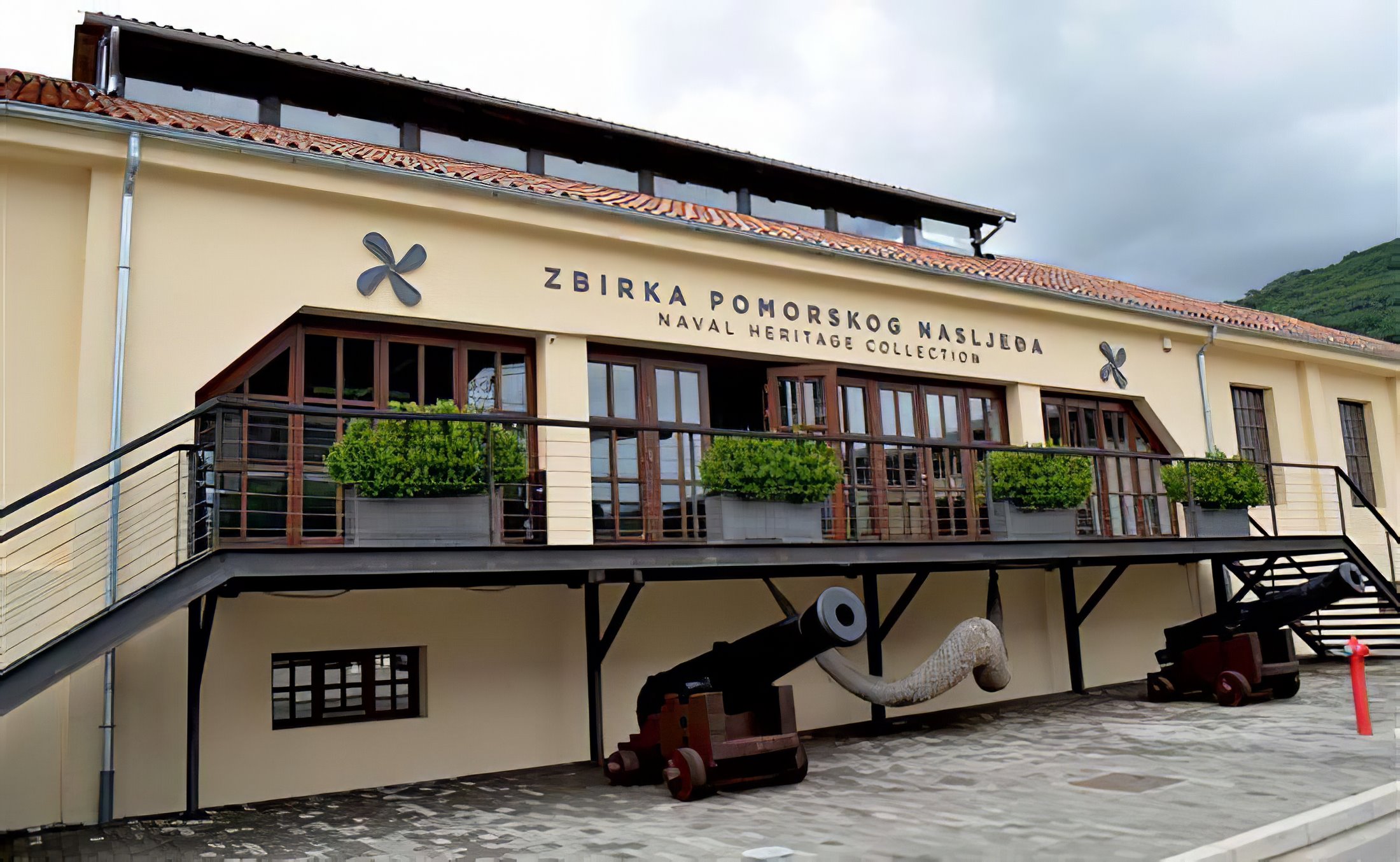
Nautical Museum
Visit the Nautical Museum, within the Porto Montenegro marina, and get familiar with the history and development of the navy in Boka.
-
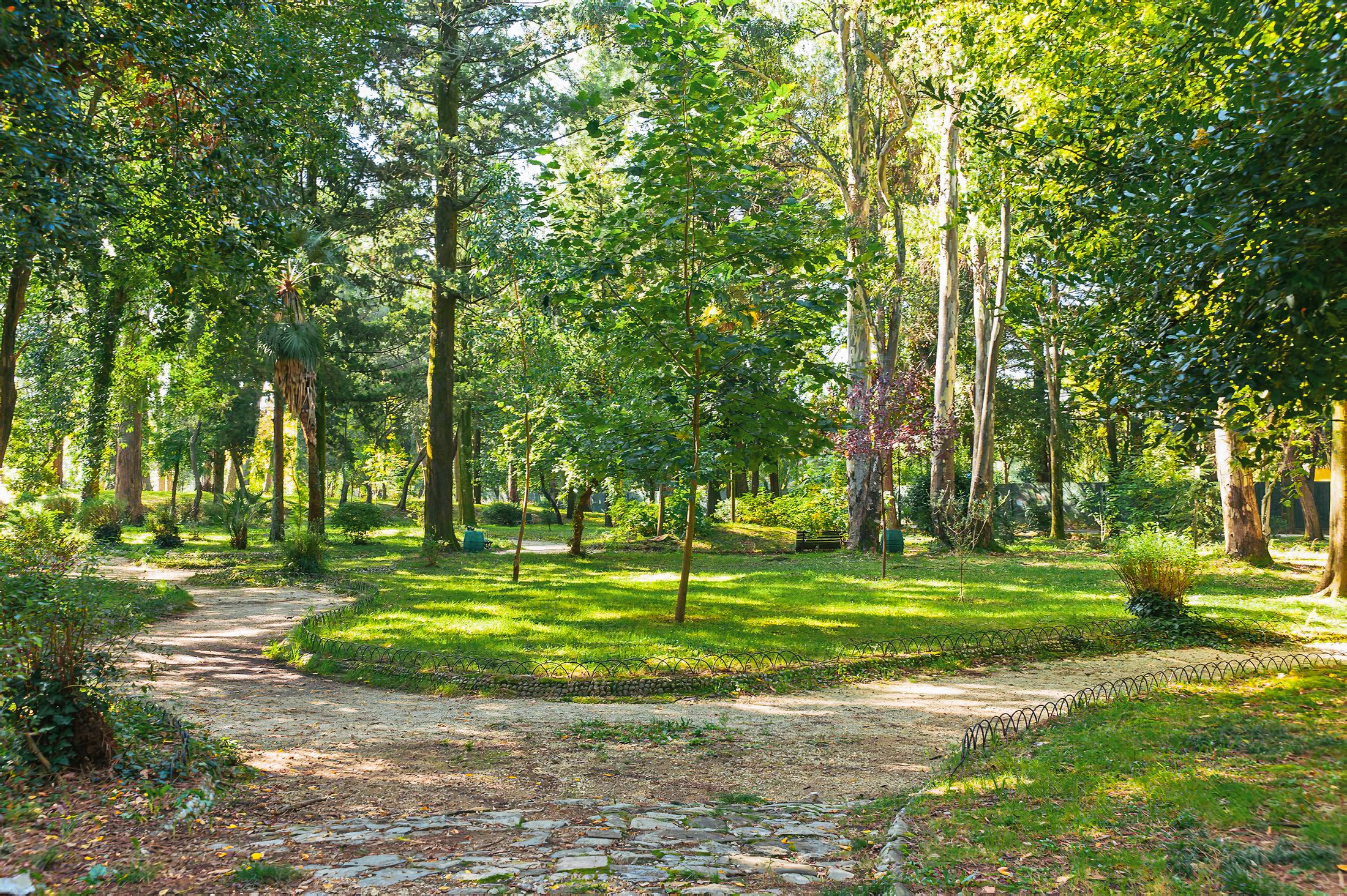
City park Tivat
Tivat City Park, founded by Admiral Freiherr von Sterneck in 1892, is the largest landscape park in Montenegro. Take a walk through the park and discover the richness of plant species that sailors brought from all over the world.
-

-

-

-

-

-

-
